Why Your Living Room Couch Smells Worse During Heavy Nova Scotia Rain
Ideal Carpet & Upholstery Cleaning • November 10, 2026
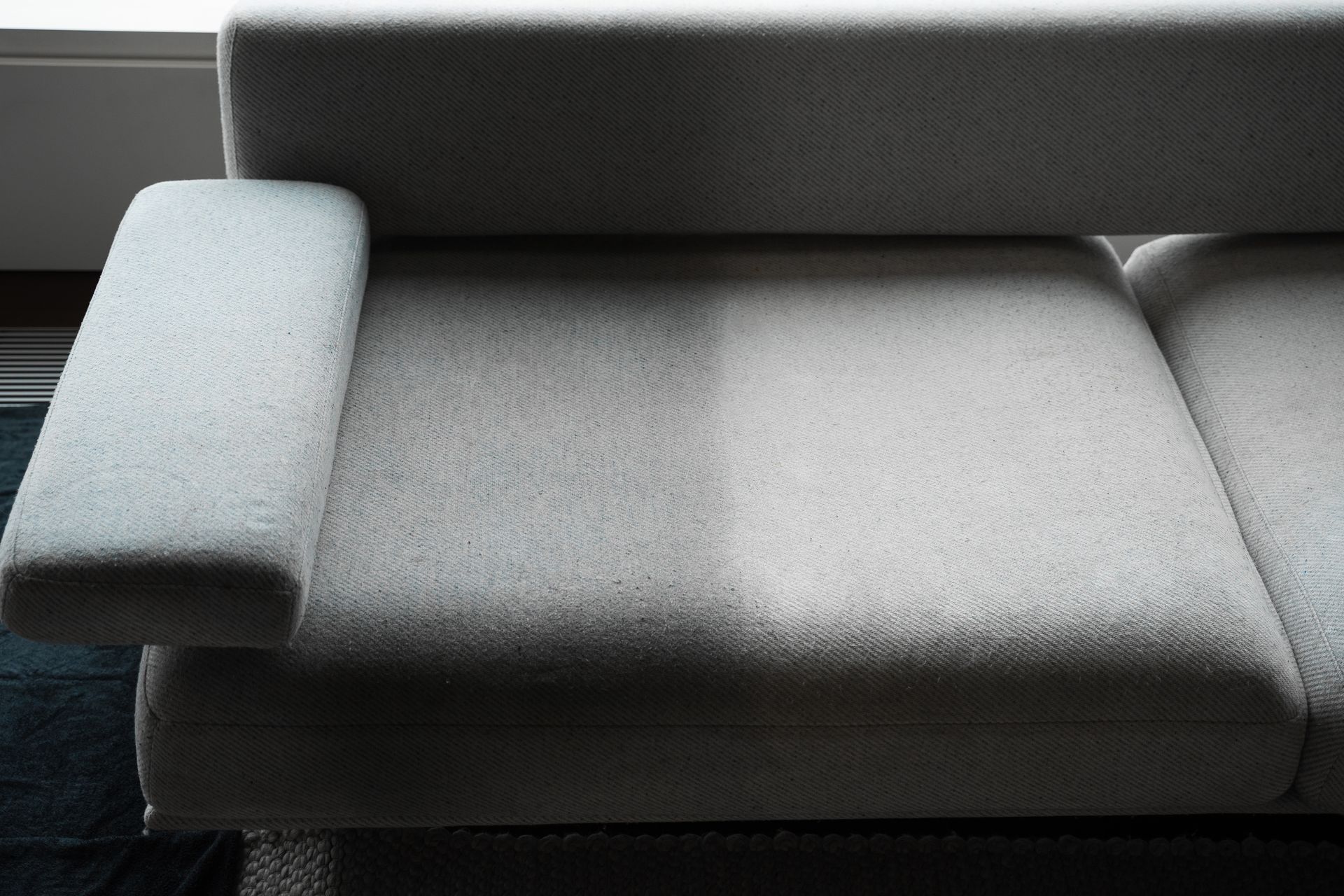
Noticing a strange odor in your home during wet weather is a frustrating and common experience. The team at Ideal Carpet & Upholstery Cleaning frequently visits homes in Sackville where the residents complain about a distinct musty smell whenever a storm rolls in. People usually check their basements or windows for leaks without realizing the smell is actually coming from their main seating areas. It is incredibly common for a couch that smells perfectly fine on a sunny day to suddenly smell awful when it rains.
The root cause of this problem has nothing to do with recent spills or surface dirt. It comes down to the deep foam padding hiding beneath your upholstery fabric and how it reacts to environmental changes. We want to explain the actual biological process happening inside your furniture so you can stop masking the odor and finally eliminate it.
Inside this guide:
- The Biology of Deep Foam Contamination
- Why Humidity Changes Everything
- The Difference Between Fabric and Padding
- Frequently Asked Questions
The Biology of Deep Foam Contamination
Every time you sit on your living room furniture, microscopic particles of sweat, dead skin cells, and body oils transfer through the fabric. Over several years, these organic materials settle deep into the high density foam cushions. This creates a highly concentrated food source for naturally occurring bacteria.
When your house is dry and warm, these bacteria enter a dormant state. They sit quietly inside the foam without producing any noticeable off gassing. You can vacuum the surface of the cushions every single week and never disturb the biological layer hiding a few inches below the fabric. This hidden contamination is exactly why standard household fabric sprays only work for a few hours before the bad smell returns.
Why Humidity Changes Everything
Homeowners often ask why their couch smells musty when it rains. The answer is directly tied to the moisture levels in your indoor air. When heavy rain hits Nova Scotia, the relative humidity inside your home spikes rapidly. The dense foam inside your furniture acts like a giant sponge and absorbs this airborne moisture.
As soon as the dormant bacteria inside the cushions are exposed to this new moisture, they reactivate and begin feeding on the trapped body oils. The byproduct of this biological feeding frenzy is a distinct sour or musty gas. This gas rises out of the cushions and fills your living room. The couch smells musty because it is actively venting bacterial waste products into the air you breathe.
The Difference Between Fabric and Padding
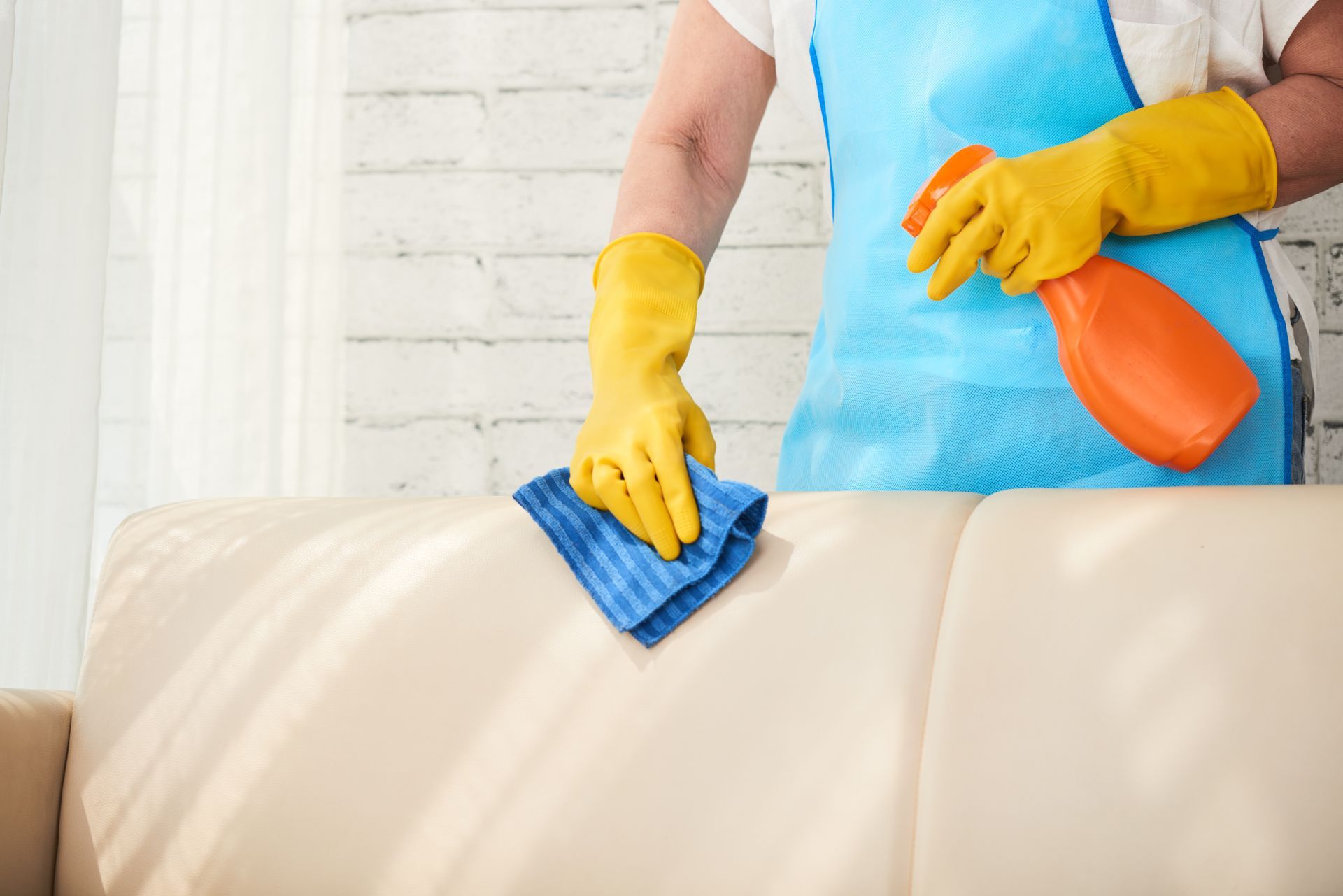
Understanding the structure of your furniture dictates how you must clean it. The decorative fabric on the outside is just a thin skin. Wiping it down with a damp cloth or a grocery store upholstery cleaner only addresses the top millimeter of the material. It does absolutely nothing to reach the organic contamination locked in the core of the cushions.
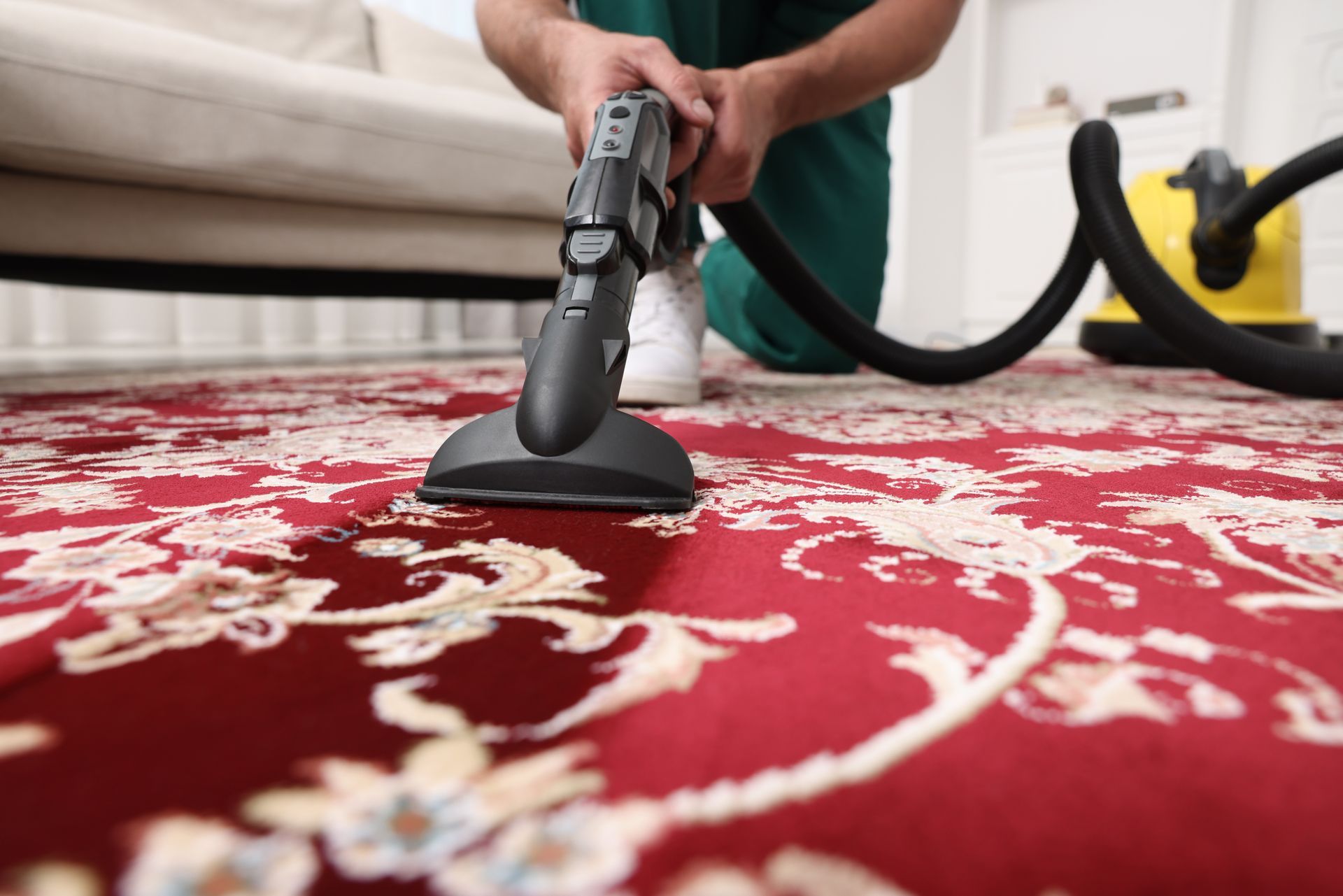
In fact, spraying too much liquid cleaner onto a musty couch often makes the problem significantly worse. The extra moisture feeds the bacteria and pushes the surface dirt deeper into the foam. Proper upholstery cleaning requires specialized extraction tools that inject hot water deep into the padding and immediately vacuum it back out. This flushes the biological contaminants away without leaving the foam soaking wet. We use similar deep extraction methods for our area rug cleaning services to remove trapped odors from dense wool foundations.
Frequently Asked Questions
Can I use baking soda to fix a musty couch?
Baking soda can temporarily absorb some surface odors, but it cannot penetrate the thick foam padding where the bacteria actually live. If you sprinkle baking soda on a damp couch, it often forms a hard paste inside the fabric weave that is incredibly difficult to vacuum out later.
Does professional cleaning kill the bacteria?
Yes, professional hot water extraction physically removes the bacteria and their food source from the furniture. We use high temperatures and targeted eco-friendly solutions to break down the body oils and flush the organic waste out of your home entirely.
Stop Masking Odors and Remove Them
Living with furniture that dictates how your home smells during bad weather is completely unnecessary. Addressing the root cause of the bacteria means you never have to rely on scented candles or fabric sprays again. Stop letting hidden contamination ruin the comfort of your living room. Reach out to our team today to schedule a deep extraction and get your upholstery smelling fresh regardless of the forecast.
Share This Blog