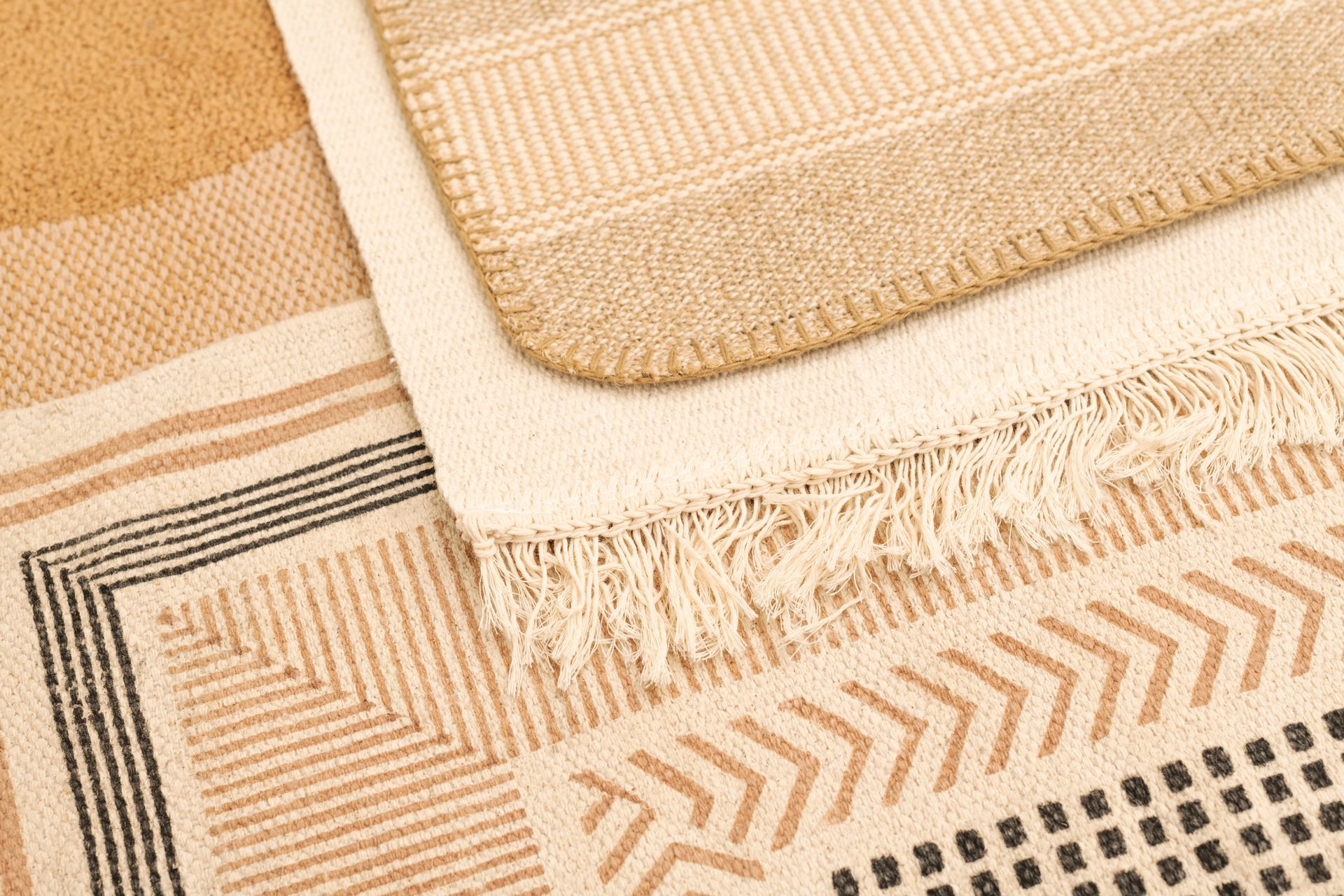
Fixing Frayed Fringes: Stop Vacuum Damage on Expensive Rugs
Ideal Carpet & Upholstery Cleaning • September 16, 2026
Discovering damage on a valuable wool rug is an incredibly stressful experience for any homeowner. The team at Ideal Carpet & Upholstery Cleaning regularly inspects expensive textiles in Dartmouth that have suffered severe mechanical wear and tear. One of the most common issues we see involves the decorative fringes literally tearing away from the main woven body of the rug.
Many people mistakenly blame the age of the piece or general household foot traffic for this specific type of structural failure. In almost every case, the root cause comes down to improper daily maintenance and the use of aggressive household cleaning tools. We want to break down exactly how this mechanical damage happens and how you can fix fraying edges before the entire rug begins to unravel permanently.
What We Cover
- The Physical Impact of Rotary Vacuum Brushes
- How Incorrect Height Settings Destroy Natural Fibers
- Why DIY Fringe Repairs Always Make the Damage Worse
- Why is the binding coming off my area rug?
- Stop the Damage Before the Foundation Fails
The Physical Impact of Rotary Vacuum Brushes
The typical household upright vacuum uses a spinning beater bar to beat the floor and sweep dirt into the suction tube. This aggressive mechanical action is excellent for cleaning dense wall to wall synthetic carpets. However, it is an absolute disaster for the delicate cotton or silk fringes attached to handmade area rugs. The rapidly spinning bristles grab the loose tassels and pull them with extreme mechanical force.
When the brush catches a fringe, it yanks directly on the structural foundation of the rug itself. The binding threads that hold the decorative edge to the woven body snap under the sudden tension. Over time, repeated pulling causes the anchor threads to break completely along the entire width. You are left with a ragged edge and a rug that is slowly losing its internal tension.
→ A quick tip to remember: If your vacuum makes a loud grinding noise or bogs down when you transition onto your area rug, the beater bar is actively chewing up the binding.
How Incorrect Height Settings Destroy Natural Fibers
Even if you manage to avoid catching the fringes directly, having your vacuum set too low causes massive friction damage across the entire piece. Many vacuums have manual dials that lower the brush head to dig deeper into the carpet pile. Using a low setting on a thick wool area rug creates intense heat and abrasion against the surface.
The stiff nylon bristles act like a saw against the soft natural animal fibers. This constant friction physically shaves the tips off the wool yarns and leaves a fuzzy residue sitting on the surface. The constant grinding weakens the knots near the outer edges where the binding is already highly vulnerable. Professional area rug cleaning safely removes the embedded dirt without ever relying on destructive rotary friction.
→ From a professional standpoint: Your vacuum head should glide easily over the surface of a wool rug without visibly dragging, pulling, or distorting the pile.
Why DIY Fringe Repairs Always Make the Damage Worse
Homeowners often panic when they see the binding coming loose and attempt to fix the problem themselves to save money. Taking a regular sewing needle and standard cotton thread to reattach heavy fringes usually results in a messy repair that fails within weeks. Standard household sewing thread lacks the heavy tensile strength required to hold a dense wool foundation together.
Using liquid adhesives or fabric superglues is an even worse approach to rug repair. The liquid glue hardens into a stiff plastic crust that cracks when the rug is rolled or walked on. These harsh chemical adhesives also permanently stain the surrounding wool yarns. Applying glue makes it entirely impossible for a professional repair technician to properly reweave the edge later because the foundation is ruined.
Why is the binding coming off my area rug?
The binding on your area rug is coming off because the structural threads anchoring it to the foundation have been broken by physical force. This is usually caused by vacuum beater bars catching the edges, aggressive scrubbing with hard brushes during spot cleaning, or heavy furniture being dragged across the corners. Once those anchor threads snap, the internal binding tension releases and the edge material naturally separates from the rug body.
Stop the Damage Before the Foundation Fails
Protecting your expensive textiles requires a completely different approach than maintaining standard synthetic flooring. You must turn off the rotary brush feature on your vacuum entirely when cleaning an area rug. Using straight suction attachments allows you to pull the surface dust away without risking mechanical damage to the knots.
When cleaning the fringes themselves, use a soft handheld brush to gently sweep debris away from the main body rather than using the vacuum. Following these strict manual guidelines prevents the physical trauma that ruins expensive investments. If your rug edges are already showing signs of separation, it is critical to stop the damage immediately. Contact us today so we can safely extract the embedded soil and evaluate the edges without risking further harm to your fringes.
Share This Blog